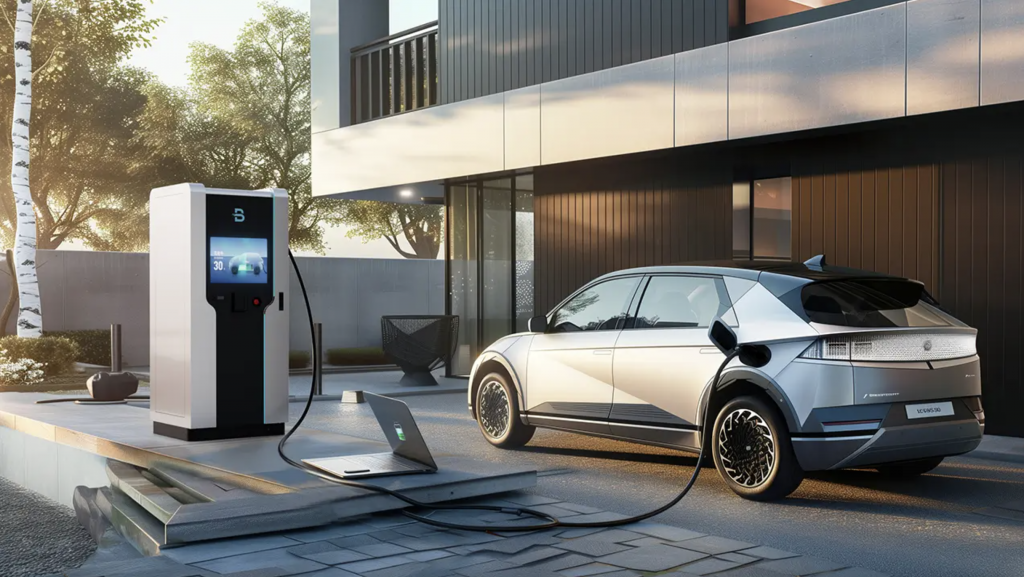
Bidirectional Charging (V2H) 2026: Is the Breakthrough Finally Coming?
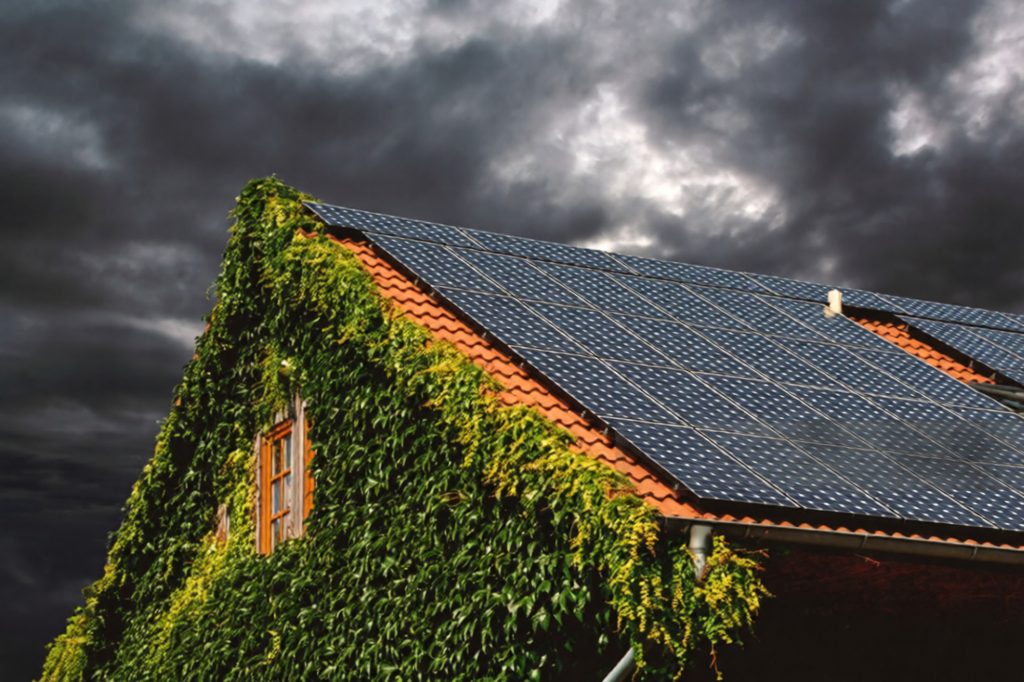
Protection Against Storms and Severe Weather: What Your Solar Insurance Must Cover
Each winter brings new weather extremes: strong winds, hail, heavy rainfall or significant snow loads. Many homeowners therefore ask themselves whether their solar system is adequately protected. A good PV insurance policy should cover not only technical damage but also outages, consequential costs and special risks. In particular, solar storm-damage insurance has become essential, as storms in Central Europe are becoming more frequent and more intense.
What Does Homeowners Insurance Cover for Solar Systems?
Many property owners assume that their homeowners insurance automatically covers their solar installation — but this is not always the case. While PV systems are included as part of the building in many policies, the actual scope of coverage varies significantly from one insurer to another.
Weather-related damage caused by storms (from wind force 8), hail or fire is typically included. However, certain components — such as inverters, substructures or cabling — may require additional protection.
Key points to check in your policy:
- Are surge damages caused by lightning covered?
- Is the replacement value insured, or only the depreciated value?
- Has the system been declared at its correct value to avoid underinsurance?
After installation, adjusting the insured sum is strongly recommended.
Natural Hazard Coverage: Which Risks Matter for PV Systems
Under PV natural hazard coverage, insurers include damage caused by events such as flooding, landslides, heavy rain or snow pressure. These risks are often not included in standard policies.
For solar installations, such events can be critical:
- heavy snowfall may bend or break modules,
- heavy rainfall can damage mounting structures,
- flooding can cause short circuits in components installed near ground level.
An extended natural hazards policy covers these situations. Owners should ensure that “atypical weather events” are also included — for example, combined storm and heavy-rain incidents, where the cause cannot be clearly assigned to one event.
What a Good Solar Insurance Policy Should Provide
A modern PV insurance policy protects not only the modules but the entire operation of the system. Key coverage elements include:
- protection against storm, hail, snow and surge damage,
- coverage for theft and vandalism,
- compensation for revenue losses during extended repairs,
- protection for electrical components (inverters, batteries, cabling),
- operator liability for third-party damages.
These elements ensure that even after a severe weather event, no unexpected financial damage arises. For families who want to protect their energy independence, this comprehensive coverage is particularly valuable.
Conclusion: Safety Comes from the Right Insurance Coverage
Anyone who owns a solar system should regularly check whether all relevant risks — from storm damage insurance to natural hazard coverage — are fully included. A combination of homeowners insurance and a supplementary all-risk or operator policy provides the most reliable protection.
Especially in winter, when extreme weather occurs more frequently, this coverage ensures that your system remains financially protected against storm and hail damage.
This article is for general information only and does not constitute a binding offer. The content does not replace personal consultation. For a specific quote or an individual assessment, we recommend arranging a direct advisory meeting.