
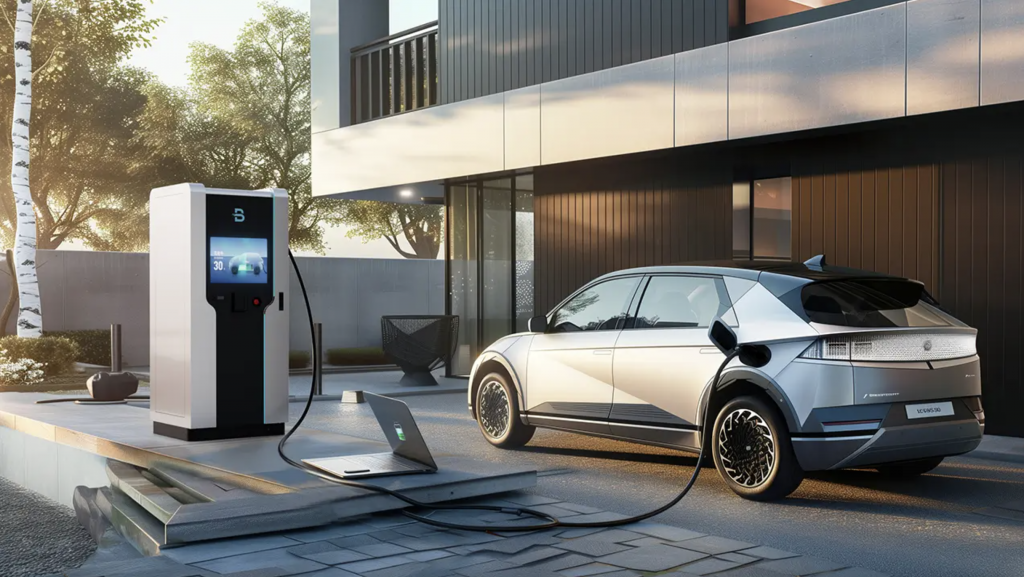
Bidirectional Charging (V2H) 2026: Is the Breakthrough Finally Coming?
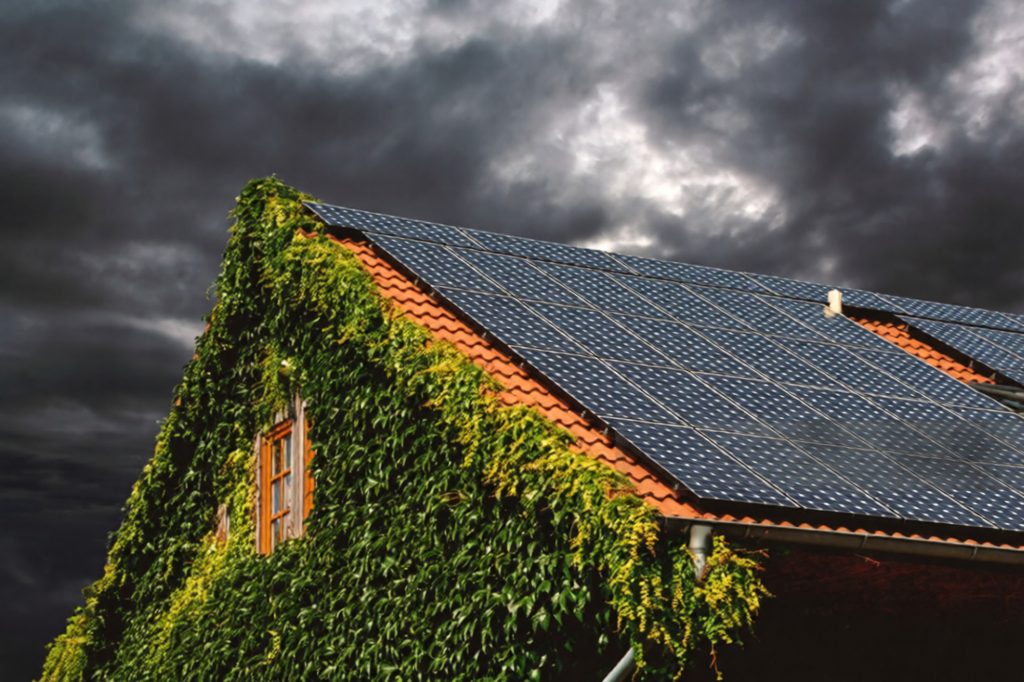
Protection Against Storms and Severe Weather: What Your Solar Insurance Must Cover
The Right Size for Your Energy Storage Depends on Your Actual Electricity Consumption, the Performance of Your Photovoltaic System, and the Desired Level of Independence from the Grid. As a rough guideline: for every 1,000 kWh of annual consumption, about 1 kWh of storage capacity is recommended. However, this is only an orientation. For a well-founded decision, you should analyze your consumption data, consider the actual performance of your PV system, and clearly define the level of autonomy you aim for. Only on this basis can the optimal storage size be meaningfully determined.
How to Calculate the Right Size
Here’s how to determine the size of your energy storage for your household – without unnecessary detours:
- Start with your electricity consumption.
Simply check your last year’s bills and note the kWh. If there are no surprises here, you probably already have a good overview. - Consider your PV system’s performance.
If you already have a photovoltaic system, its capacity (kWp) directly affects the required storage. The capacity of your storage depends largely on it. - Use general rules of thumb.
- Roughly 1 kWh of storage per 1,000 kWh of annual consumption.
- For every kWp of your PV system, usually 1–1.5 kWh of storage is recommended.
- Individual analysis is essential.
When does your consumption actually occur – mornings, evenings, or spread throughout the day? How independent do you really want to be from the grid? The higher your desired level of autonomy, the larger your storage needs to be. - Consider household size and number of occupants.
A single-person household requires less than a family. Modern, efficient appliances also help reduce electricity demand, which in turn affects the necessary storage capacity.
In short: there is no one-size-fits-all solution. Using the guidelines gives a good starting point, but fine-tuning must always be done individually – according to lifestyle and specific needs.
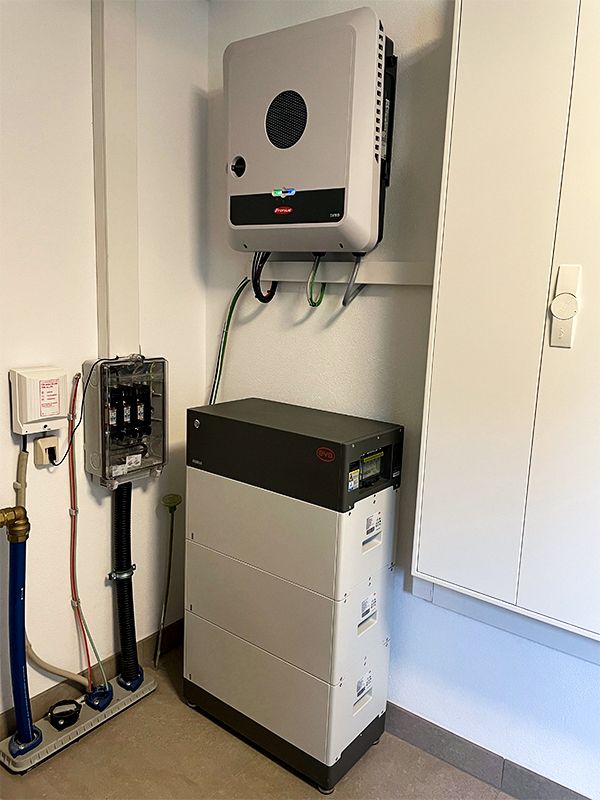
Is a 10 kWh Storage Enough?
If your household consumes about 5,000 kWh of electricity annually, the rule of thumb recommends a storage capacity of 5 to 7.5 kWh. However, this is really only a rough guideline. For precise planning, you should definitely also consider the size of your PV system and your actual consumption behavior. Otherwise, you may quickly reach the limits of this general recommendation.
“We calculate the ideal capacity for you. Contact us.”
This article is intended for informational purposes only and does not constitute a binding offer or professional advice.