
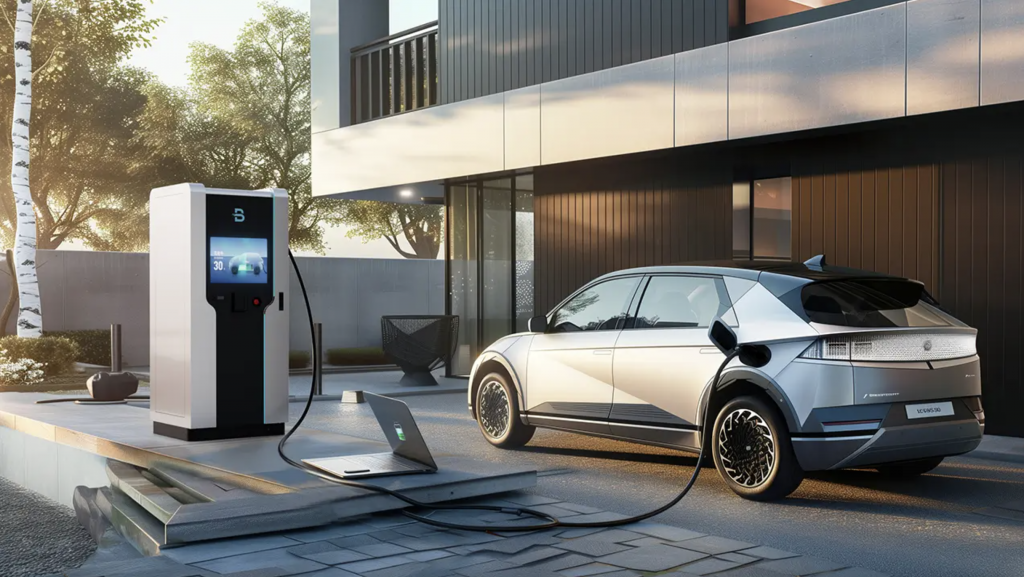
Bidirectional Charging (V2H) 2026: Is the Breakthrough Finally Coming?
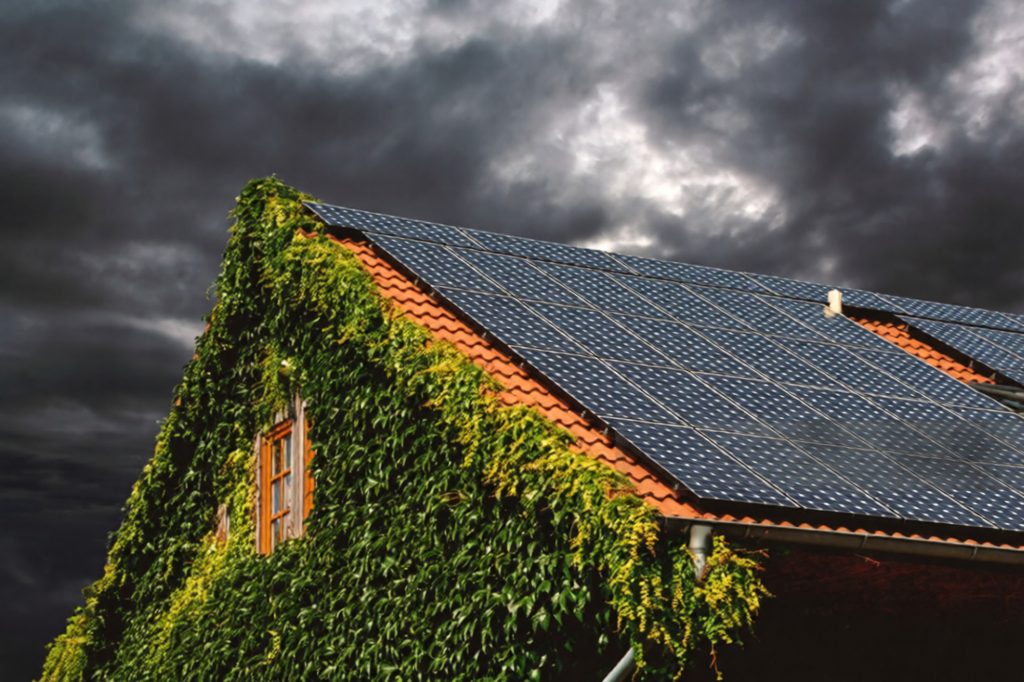
Protection Against Storms and Severe Weather: What Your Solar Insurance Must Cover
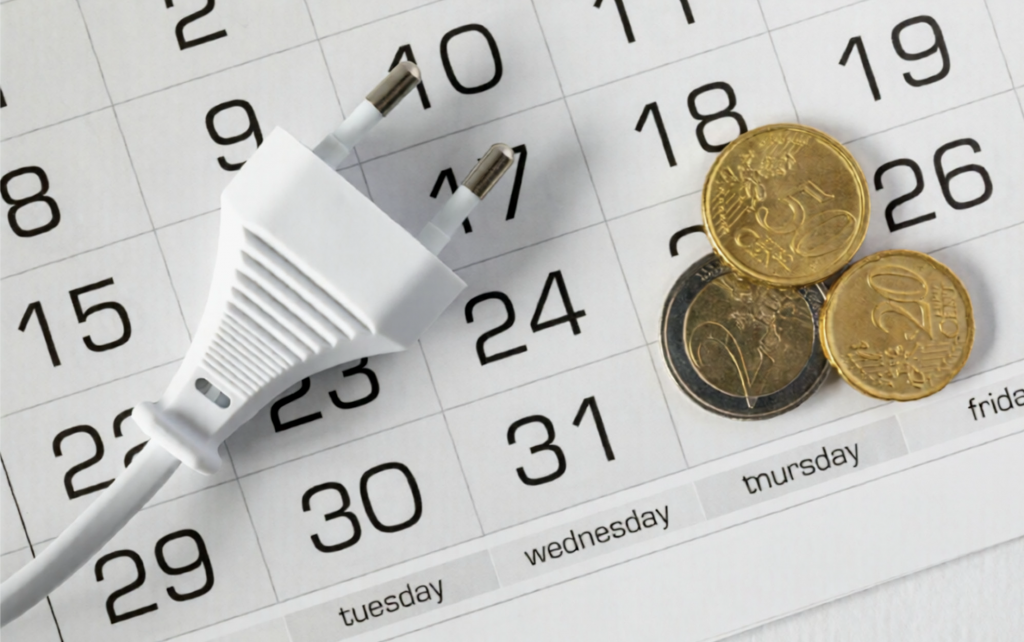
The energy market is changing rapidly — and for tech-savvy households as well as investors, entirely new opportunities are emerging. One of the most exciting developments is the combination of dynamic electricity prices and battery storage. While solar power has become the norm in summer, winter offers surprising savings potential: when strong winds blow and demand drops, the exchange price can fall dramatically. Those who can draw power flexibly benefit immediately. This is where dynamic electricity tariffs with storage come into play — a model set to become a major trend in 2026.
Why Dynamic Tariffs Are Especially Attractive in Winter
On many winter days, wind farms in northern Germany produce an excess of energy. The result: low or even negative prices on the winter electricity exchange. Instead of consuming expensive grid electricity at any time of day, flexible households can take advantage of these price fluctuations. With battery-based systems, cheap energy can be stored precisely when the market price hits its lowest point — and used later when prices rise.
Real-world results show that users of dynamic tariffs save several cents per kWh. These differences are especially significant in the colder months, when PV yields are lower and grid demand increases.
Real-Life Examples: What Users Say About Tibber
Many tech enthusiasts rely on real user experience when choosing a tariff model. Tibber user experiences show that dynamic tariffs work very well in everyday life — as long as the right infrastructure is in place. Apps analyse the hourly electricity price and control devices automatically. Users report:
- transparent, real-time pricing,
- strong savings when using a battery,
- automated optimisation via smart-home interfaces,
- higher self-consumption with lower overall costs.
A particularly exciting feature is the ability to activate chargers, heat pumps or battery storage systems specifically during low-price periods.
Battery Storage: The Key to Maximum Savings
Dynamic tariffs reach their full potential only when paired with a powerful battery. A household can store inexpensive wind power whenever the market price drops — often during night or early-morning hours. Even when the sun isn’t shining, this keeps independence high and costs low.
A modern battery system enables:
- automatic charging during low-price hours,
- discharging during high-price phases,
- greater stability during fluctuations,
- protection against household peak loads.
The result is a system that uses renewable energy more intelligently and optimises self-consumption strategically.
Smart Meter Requirement: Why It Accelerates the Trend
Starting in 2025, Germany will gradually introduce the smart meter obligation. For dynamic tariffs, this is a crucial foundation, as only an intelligent meter can transmit hourly price signals accurately. Without a smart meter, a dynamic tariff is technically difficult or even pointless. For many households, this obligation means more than just bureaucracy — it unlocks direct access to low-price wind power phases, making dynamic tariffs more attractive and easier to use.
Conclusion: Dynamic Tariffs and Storage Are the Winter Duo of the Future
Anyone who wants to live flexibly, affordably and sustainably in 2026 will not be able to ignore dynamic tariffs. The combination of dynamic electricity tariffs with storage, low prices on the winter electricity exchange, and an expanding smart-meter infrastructure makes this model a true game-changer.
This article is for general information only and does not constitute a binding offer. The content presented does not replace individual consultation. For a specific quote or personalised assessment, we recommend arranging a direct consultation.