Bidirectional Charging (V2H) 2026: Is the Breakthrough Finally Coming?
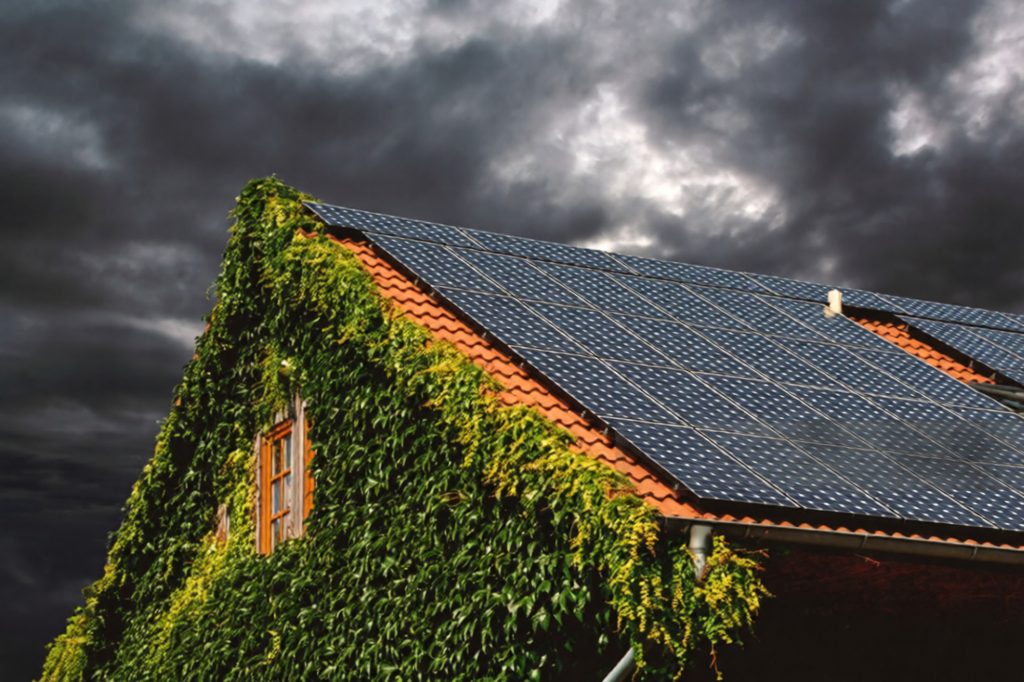
Protection Against Storms and Severe Weather: What Your Solar Insurance Must Cover
When you install a photovoltaic system, your standard homeowner’s insurance is usually no longer sufficient. While it typically covers risks such as fire, storm, or hail, it does not provide adequate protection against theft, power surges, vandalism, or loss of income. For these risks, a special photovoltaic insurance policy is recommended. This also covers system failures and the resulting financial losses.
Additionally, you should consider liability insurance for PV systems, which protects you against damages your installation might cause to third parties – for example, due to technical defects or falling components.
Before anything else, review your existing insurance coverage carefully and discuss the situation with your provider. Since a photovoltaic system increases the value of your property, it must be reported to your building insurer. Early clarification helps prevent unpleasant surprises in the event of a claim.
Essential Insurance at a Glance
1. Homeowner’s insurance (extension or existing coverage)
This policy protects your property – and therefore also your PV system – against fundamental risks such as fire, lightning, storm, or hail.
- Important: Installing a PV system increases your property’s value. Inform your insurer about the new system.
- Check whether your PV system is already included in your policy or if you need additional coverage.
2. Photovoltaic insurance (separate policy or add-on)
A standard homeowner’s policy is often not enough. A PV-specific insurance provides targeted protection against risks commonly excluded elsewhere:
- Theft and vandalism: Protection against loss or damage caused by third parties.
- Power surges: Coverage for voltage-related damages.
- Loss of income: Compensation for missed feed-in payments in case of insured production failures.
- Operational and material errors: Coverage for damages caused by incorrect handling or material defects.
- Construction and installation errors: Protection against defects occurring during installation.
3. Operator liability insurance
This policy covers costs if your PV system causes damage to third parties – for example, from falling components. It protects you as the system operator against financial risks and potential legal disputes.
When Is Insurance Truly Essential?
For high-value systems, where repair or replacement costs can quickly add up, comprehensive coverage is indispensable. No one wants to bear huge expenses after a damage event.
What Should You Pay Attention To?
- Contact your insurer: Notify your homeowner’s insurance provider about your PV system to update your coverage.
- Compare offers: Different insurers provide different tariffs and services – a comparison is worthwhile.
- Check the scope of coverage carefully: Make sure all relevant risks for your PV system are insured.
This way, you can avoid unpleasant surprises in case of damage and reliably secure yourself against the costs of insuring your solar installation.
This article is intended for informational purposes only and does not constitute a binding offer or professional advice.