
Dynamic Electricity Tariffs and Battery Storage – The Perfect Duo

Give the Gift of Independence: Why Now Is the Best Time to Plan for Spring
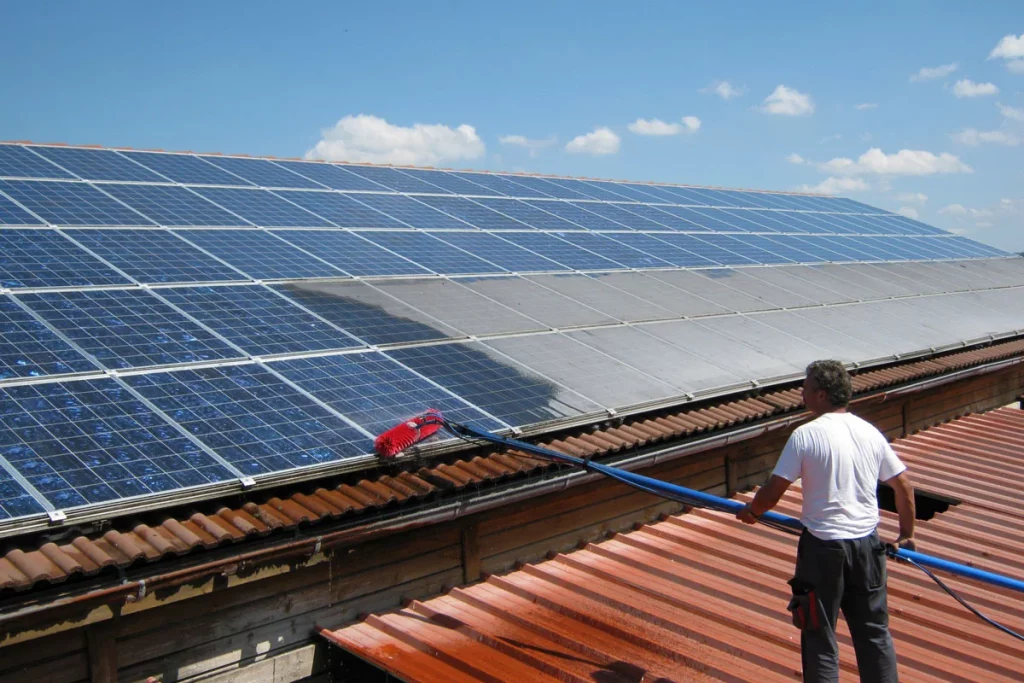
To keep your photovoltaic system in optimal condition, regular maintenance and cleaning are essential – there is no other way. Dirt such as dust, pollen, or bird droppings quickly accumulate and significantly reduce efficiency. You should carry out a visual inspection at least once a year and check for such deposits. Clear water and a soft sponge are best for cleaning – please do not use harsh cleaning agents or hard brushes, as these do more harm than good. It is best to clean the modules on a cool day to avoid temperature shock. In addition, it is advisable to hire a specialist company to carry out professional maintenance once a year. They will check technical components such as connections and the inverter for proper functioning, thus ensuring that the system runs reliably and its service life is extended. This saves a lot of hassle and solar system cleaning costs in the long run.
How often should cleaning be carried out?
Regular visual inspection:
A visual inspection of the system should be carried out at least once a year to determine the need for cleaning.
Environment-dependent cleaning intervals:
The necessary cleaning frequency depends heavily on the environment. In areas with heavy pollution—such as near industrial plants or agricultural land—annual cleaning is generally recommended. In cleaner areas, longer intervals may be sufficient to optimize photovoltaic yield.
Yield monitoring:
Regularly compare the current yield values with the previous year's values. A significant decline, for example 15% or more, may indicate heavy soiling and necessitate cleaning.
Cleaning your PV system correctly – what matters
Aggressive cleaners or hard brushes are absolutely taboo, otherwise you will damage the sensitive surface of the modules. Technically speaking, in most cases clear water and a soft sponge or brush are sufficient to remove dirt – that's really all you need. It is best to clean on a cool, cloudy day. This prevents the water from evaporating too quickly and leaving unsightly stains.
When is a specialist company required?
Safety:
If there is any uncertainty about how to safely access the roof, a specialist company should be consulted.
Comprehensive maintenance:
A professional inspection is recommended every four to six years. During this inspection, specialists check the modules, cabling, and inverters for defects or wear and tear, allowing any potential damage to be identified and repaired at an early stage.
Combined services:
Maintenance can also include cleaning the system. In many cases, costs can be reduced by combining maintenance work in the neighborhood.
„Learn more about our service packages“
This article is intended for informational purposes only and does not constitute a binding offer or professional advice.