
Dynamic Electricity Tariffs and Battery Storage – The Perfect Duo
Give the Gift of Independence: Why Now Is the Best Time to Plan for Spring
Is Photovoltaics Still Worth It?
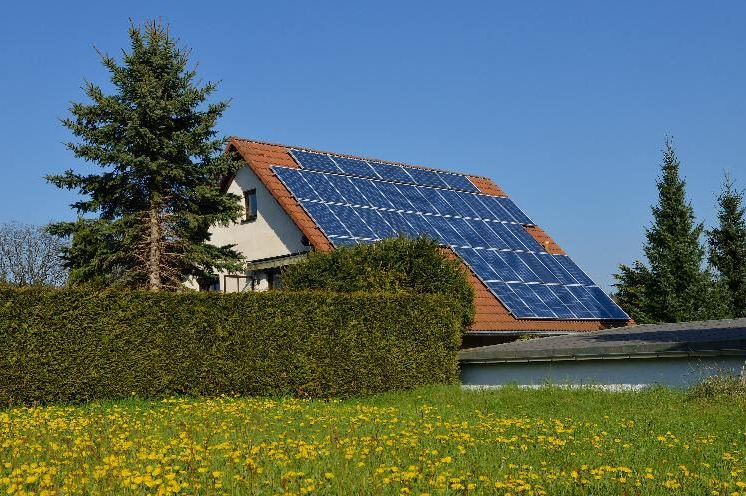
Even in 2025, investing in a solar system remains economically sensible in most cases. Persistently rising electricity prices and the ongoing reduction in solar technology costs have a positive impact on profitability, even though feed-in tariffs for surplus electricity have decreased. The key prerequisite for profitable use lies in maximizing self-consumption of the electricity generated. This can be further increased by integrating a battery storage system as well as combining the PV installation with a heat pump or an electric vehicle. The typical payback period ranges between 8 and 12 years. With the elimination of VAT and current subsidy programs, the return on investment of a solar system can improve significantly.
Key Factors for the Profitability of a PV System
- High self-consumption is the central economic advantage — the more solar power used directly in the household, the greater the savings compared to purchasing electricity from the grid.
- Battery storage significantly increases self-consumption, thereby improving independence from the public grid and electricity price fluctuations.
- Integration of heat pumps or e-mobility (such as EVs) into the household energy system further raises self-consumption and enhances overall profitability.
- Falling acquisition costs in recent years have lowered the entry barrier for many households.
- Protection against rising electricity prices: PV systems offer long-term cost predictability and shield households from future increases in energy costs.
Feed-in Tariff
The significance of the feed-in tariff has changed considerably in recent years. Since the remuneration rates for solar power fed into the grid have dropped significantly, self-consumption has become much more important than exporting energy. For system owners in particular, it is therefore advisable to use as much of the self-generated electricity directly as possible. Under these conditions, a photovoltaic system can still be economically viable, even though the financial incentives from the feed-in tariff are lower than in the past.
How to Determine Whether a Solar System is Economically Worthwhile
- Analyze electricity consumption: Start by accurately recording your household’s energy use and current purchase costs. Many households tend to underestimate their actual demand.
- Evaluate solar potential: Check whether your location receives sufficient solar energy. Numerous online tools are available to provide a solid assessment.
- Calculate total costs: Factor in all expenses – from the initial investment in the system itself to a potential storage unit, as well as installation and ancillary costs.
- Forecast savings and income: Determine how much of the electricity you can use directly and the resulting savings. Also consider possible income from feeding surplus electricity into the public grid.
- Research subsidy opportunities: Look into national or regional support programs. These can significantly reduce investment costs.
- Calculate ROI: Finally, compare the total costs with the expected savings and revenues – ideally over the entire lifetime of the system, which often extends to 25 years or more. Only on this basis can you assess whether the investment will be profitable.
Summary
All in all, a photovoltaic system remains a worthwhile investment in many cases – especially when self-consumption is optimized through the integration of a battery storage system, a heat pump, or the use of an electric vehicle. However, making a well-founded decision requires careful analysis of individual costs, expected consumption, and available subsidy opportunities.
“Calculate your personal profitability”
This article is intended for informational purposes only and does not constitute a binding offer or professional advice.