

Dynamic Electricity Tariffs and Battery Storage – The Perfect Duo

Give the Gift of Independence: Why Now Is the Best Time to Plan for Spring
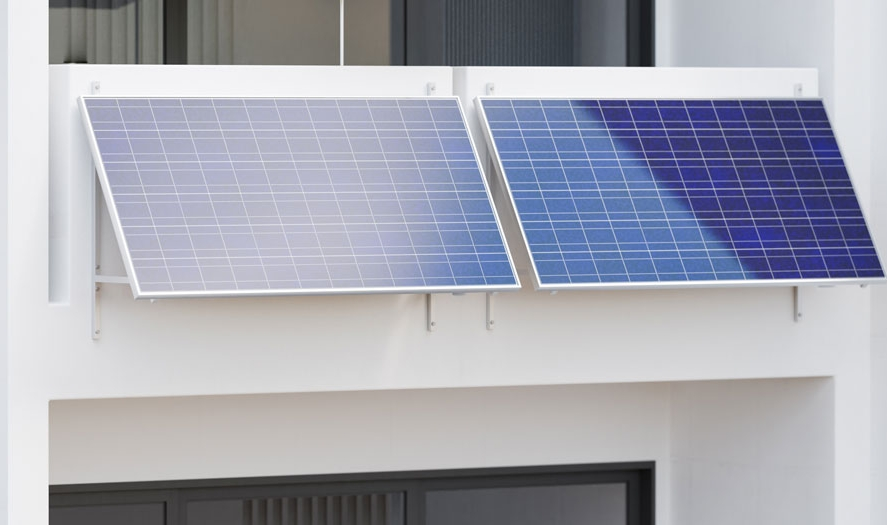
In urban areas, it’s not always possible to install a full-scale solar system on the roof. However, even limited space on a balcony can be used efficiently. Thanks to modern technology, a mini solar system on your balcony can provide basic power for household appliances, lighting, or even charging electronic devices. While it doesn’t replace the central power supply, it’s the first step toward energy independence and enables significant savings during summer months. This is especially relevant for residents of upper floors with well-lit balconies.
A Balcony Power Plant 800W from ProfiSolar – often referred to as a mini solar system or plug-in solar device – is essentially a compact photovoltaic system that can easily be installed on a balcony, terrace, or similar surfaces. Starting in 2025, operators of such mini solar systems will benefit from significantly simplified regulations: registration will be easier, and the permitted output will be increased. This makes entering private power generation even more attractive.
Why This Matters in 2025
Here are the most important updates for 800W balcony power plants starting in 2025:
- Output limits:
The permitted module output increases to a maximum of 2000 watts. The inverter output remains limited to 800 watts, allowing higher yields while keeping feed-in power regulated. - Simplified registration:
Plug-in solar devices now only need to be registered with the Federal Network Agency’s Market Master Data Register – provided no feed-in tariff is requested. This noticeably reduces bureaucracy. - Landlords/Property owners:
Landlords and homeowners’ associations can only prohibit the installation of an 800W balcony power plant for valid, justifiable reasons. This significantly strengthens the position of tenants and apartment owners. - Tax aspects:
Income from self-generated electricity remains tax-free up to a certain threshold. This provides additional planning security for investment decisions. - Schuko plug:
The use of standard household plugs for plug-in solar devices is now officially permitted. Although the VDE still recommends special feed-in plugs, this change greatly simplifies commissioning. - Conclusion:
The new regulations bring more flexibility and legal certainty for operators of balcony power plants, while maintaining clearly defined technical requirements.
Advantages of Balcony Power Plants in 2025
ProfiSolar balcony power plants clearly score when it comes to sustainability – they reduce CO₂ emissions and make your business more environmentally friendly. They are also financially attractive: self-generated solar power reduces ongoing electricity costs, directly benefiting your bottom line.
Installation? Mostly simple and quick – saving both time and resources. In the end, balcony power plants give you a degree of independence from traditional energy providers. A smart step for future-oriented companies.
While we focus on houses, learn more about solar energy today!
This article is intended for informational purposes only and does not constitute a binding offer or professional advice.