

Dynamic Electricity Tariffs and Battery Storage – The Perfect Duo
Give the Gift of Independence: Why Now Is the Best Time to Plan for Spring
Energy Self-Sufficiency for a Family
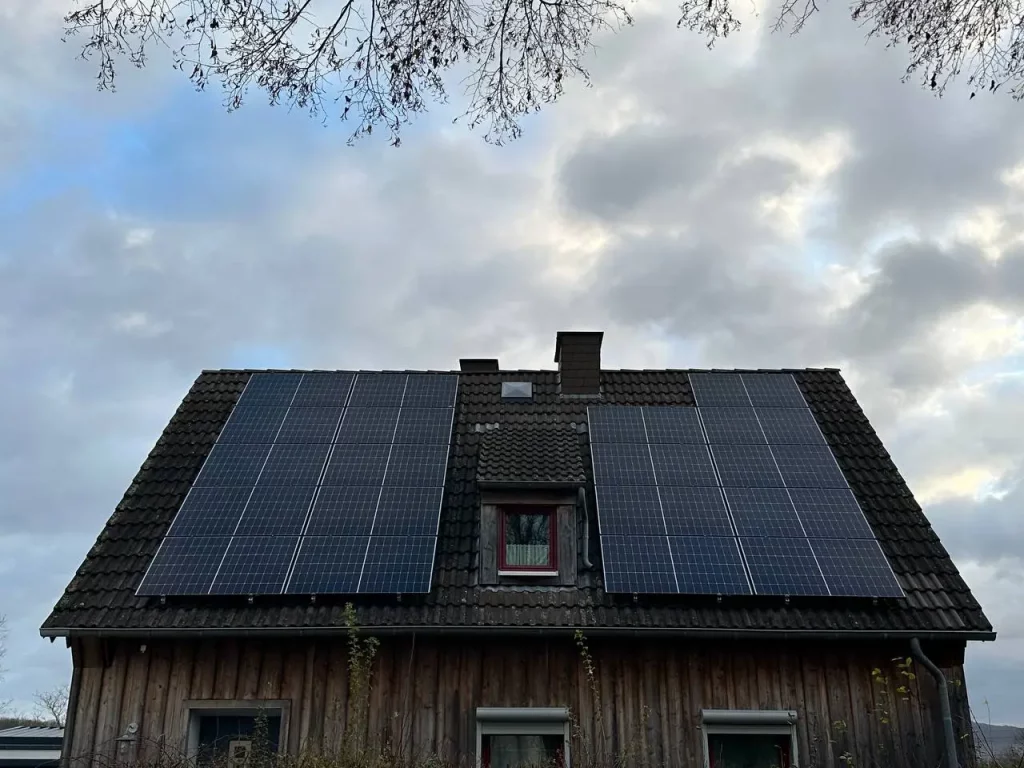
Energy self-sufficiency for a family essentially means ensuring the complete supply of electricity and heat independently—that is, without relying on the grid operator. This is achieved through a carefully coordinated combination of various technologies. Most commonly, this involves a strategic mix of a ProfiSolar photovoltaic system, a powerful battery storage unit, solar thermal technology, a modern heat pump, and, where local conditions allow, a small wind turbine.
What is truly decisive for long-term sustainable operation is an intelligent energy management system that controls and optimizes all energy flows. Photovoltaic experiences in Kleinmachnow? In addition, high energy efficiency of the building itself is indispensable. Without a solid building envelope and energy-optimized technology, even the best systems become ineffective.
The guiding principle is: Act in an energy-independent yet economically viable way, so that both the investment and the operation remain successful in the long run.
Steps to Achieving Energy Self-Sufficiency in Kleinmachnow
Key Measures
1. Reducing energy demand
The first step is clear: increase efficiency, reduce consumption. Modern insulation ensures minimal energy loss. This also includes energy-efficient appliances and optimized heating systems—there is no room for outdated technologies.
2. Combining renewable energy sources
- Photovoltaic systems capture sunlight during the day to generate electricity.
- Excess energy is stored in battery storage systems, making it available even during low-sunlight periods. Batteries are essential to maximize self-consumption of the generated power.
- Solar thermal systems supplement this setup by using solar energy for hot water preparation and heating support.
- A well-designed heat pump, ideally coupled with PV, can cover a large share of the heating demand.
- Optional: Where location and wind conditions are favorable, a small wind turbine can diversify self-supply, especially useful during winter.
3. Smart energy management
An intelligent energy management system coordinates all energy flows. It distributes the renewable electricity according to demand, ensuring optimal utilization and increasing the economic efficiency of the system.
Conclusion: With thoughtful planning and modern technology, achieving energy self-sufficiency is a realistic goal—and a worthwhile investment.
Challenges
- Seasonal fluctuations: In summer, energy is abundant; in winter, nothing works without clever storage solutions or a complementary technology mix. Anyone aiming for true energy independence must plan ahead for year-round coverage.
- Costs: Referring to solar projects in Brandenburg—entry costs are, honestly, not cheap. For a truly self-sufficient house, you’re looking at a solid investment. But in the long run? Rising energy prices and savings on conventional providers usually offset the costs.
- Subsidies and incentives: These are a must! There are numerous programs available at both federal and regional levels. Failing to apply means missing out on real money.
- 100% self-sufficiency? In theory possible, in practice often a balancing act between effort and benefit. Economically, full independence rarely pays off completely—some grid connection usually remains sensible and necessary. The efficient solution is what truly pays off; everything else is more of an idealistic goal.
This article is intended for informational purposes only and does not constitute a binding offer or professional advice.